Places to visit in Trashigang
The hub of eastern Bhutan, with a cliff-top dzong and the Brokpa villages of Merak and Sakteng.
8 places in this guide
About Trashigang
Trashigang is the main town and trading centre of eastern Bhutan, built on a steep hillside above the Drangme Chhu. From here roads lead to Trashiyangtse, Kanglung and Samdrup Jongkhar, and trails lead to the highland villages of the semi-nomadic Brokpa.
- RegionEastern Bhutan
- Known forTrashigang Dzong, Merak and Sakteng, textiles
- Combine withMongar, Trashiyangtse
Places to see
Trashigang Dzong
Trashigang Dzong stands on a spur high above the confluence of the Drangme Chhu and Gamri Chhu, guarding the town of Trashigang, the largest settlement in eastern Bhutan. It was built in 1659, during the Zhabdrung’s era, to defend the region against invasions from Tibet, and its name means “fortress of the auspicious hill”.
The dzong is the administrative centre of Trashigang district and home to a monastic community, and its temples contain fine statues and murals. Trashigang was historically an important trading centre, where goods from the plains and the highlands were exchanged. The views from the dzong down to the rivers and across the steep hillsides are dramatic, and the Trashigang Tshechu, held here in winter, draws people from all over the east, including Brokpa herders from Merak and Sakteng.
Gom Kora
Gom Kora is a temple beside the Drangme Chhu, about 24 kilometres from Trashigang, and one of the most revered pilgrimage sites in eastern Bhutan. According to tradition, Guru Rinpoche meditated here in the 8th century and subdued a demon that lived in a great black rock, leaving impressions of his body and hat in the stone.
Pilgrims circle the rock and the temple, and a narrow passage in the rock is believed to test a person’s sins. The temple stands among rice fields and banana trees in a warm, green setting, quite different from the high valleys of western Bhutan. Each spring the Gom Kora Tshechu draws thousands of people from across the east and from neighbouring Arunachal Pradesh, who come for the dances and the all-night circumambulations.
Radhi village
Radhi is a village in Trashigang district known as the “rice bowl of the east” for its extensive terraced paddy fields, which turn bright green in summer and gold before the harvest. It is also famous for its weavers, who produce fine textiles from bura, Bhutanese raw silk.
Walking through the village, visitors can see the terraces, traditional houses and, in many homes, women working at their looms. The raw silk textiles of Radhi are highly valued throughout Bhutan, and buying directly from the weavers supports the community. The original website mentions homestay experiences, which offer a chance to share daily life with a farming family. Radhi lies about 25 kilometres from Trashigang, and its open landscape makes a pleasant contrast to the steep hillsides around the town.
Kanglung Zangtopelri
Kanglung is a small town between Trashigang and Samdrup Jongkhar, best known as the home of Sherubtse College, the first college in Bhutan, founded in the 1960s and now part of the Royal University of Bhutan. Near the college stands Zangtopelri, a temple representing the paradise of Guru Rinpoche.
Zangtopelri temples follow a traditional design, with several storeys representing the different levels of Guru Rinpoche’s celestial palace, and the Kanglung temple is decorated with fine paintings and statues. It is a relatively modern building and an active place of worship, and its setting on a hillside above the town offers wide views. Visiting Kanglung gives a sense of contemporary life in eastern Bhutan, where education and religion sit side by side, and it fits naturally into the drive south from Trashigang.
Merak and Sakteng
Merak and Sakteng are remote highland villages in the far east of Trashigang district, home to the Brokpa, a semi-nomadic people who herd yaks and sheep on the high pastures. The Brokpa have their own dialect, customs and dress, including red woollen tunics and distinctive hats made of felted yak hair with tassels that help rain run off.
Sakteng lies within Sakteng Wildlife Sanctuary, which protects forests and alpine meadows, and both villages were opened to visitors relatively recently. They are reached by rough road and on foot, and visits are best planned in advance with a licensed operator. Spending time in Merak or Sakteng offers a rare encounter with a highland culture unlike any other in Bhutan, and the landscape of rhododendron forest and high pasture is beautiful.
Treks and culture
Merak-Sakteng trek
The Merak-Sakteng trek connects the two Brokpa villages through rhododendron forest and high pastures, crossing a pass of around 4,000 metres. The original website describes it as a moderate trek combining mountain scenery with cultural encounters, and with chances to spot wildlife such as the red panda and Himalayan black bear.
Along the way trekkers meet Brokpa herders and stay in or near their villages, learning about a way of life shaped by the seasonal movement of yaks between pastures. The route lies largely within Sakteng Wildlife Sanctuary. As with all treks in Bhutan, it must be organised with a licensed operator, guide and support crew. Spring, when the rhododendrons bloom, and autumn are the best seasons. Ask us about combining the trek with the drive through eastern Bhutan.
Textile and cultural tours
Eastern Bhutan is the heartland of Bhutanese weaving, and the original website describes textile tours in Radhi and surrounding villages, with weaving demonstrations and insights into the production of silk from cocoon to finished cloth.
In villages around Trashigang, women produce bura, raw silk, and weave it into kiras and other textiles using both natural and modern dyes. A textile tour might include visits to weaving households, explanations of traditional patterns and their meanings, and the chance to buy directly from the weavers. Your guide can tailor the visits to your interests, whether you are a casual admirer of textiles or a serious collector. These tours are best combined with a stay of at least two nights in the Trashigang area.
Festivals and cultural immersion
Festivals in eastern Bhutan are a vivid way to experience the region’s culture. The original website highlights the Trashigang Tshechu at Trashigang Dzong, with masked dances, religious ceremonies and community celebrations.
The Trashigang Tshechu is held in winter, usually in December, and attracts people from across the district, including Brokpa herders from Merak and Sakteng in their distinctive dress. In spring, the Gom Kora Tshechu draws pilgrims from eastern Bhutan and neighbouring Arunachal Pradesh. Festival dates follow the lunar calendar and change every year, so we confirm them when the official calendar is published. Attending a festival in the east, where visitors are few, offers a more intimate experience than the larger festivals in the west.
Tours that visit Trashigang
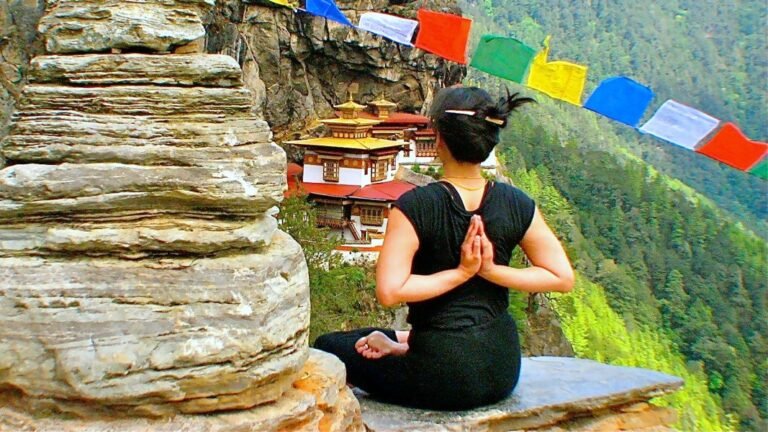
The Dragon Kingdom's Complete Journey
12 days. Across the country to Trashigang in the east.
Festivals in Trashigang
The Trashigang Tshechu is held at the dzong in winter, and Gom Kora hosts a festival each spring.
More in Eastern Bhutan
Tell us how you would like to travel
Share your dates, interests and preferred pace. We reply personally with ideas for your route and a clear quote.
Prefer to chat? WhatsApp +975 77888822