
Tours / Himalayan treks
Jomolhari Trek and Himalayan Cultural Journey
Thirteen days, including a classic trek to Jangothang beneath Jomolhari and over to Lingshi.
Trip at a glance
- Duration13 days, 12 nights
- Main stopsParo, Thimphu
- Starts and endsParo
- Travel styleTrekking
- TrekAbout 8 days
- Best seasonSpring and autumn
Overview
The Jomolhari trek is one of the great walks of the Himalaya. From the road head at Shana it follows the Paro Chhu to Jangothang, the base camp beneath Jomolhari (7,326 m), then crosses high passes to Lingshi and down towards Thimphu.
Before and after the trek you explore Paro, Thimphu and Punakha. This trip is for experienced trekkers in good health.
Good to know
Every journey is private and can be adjusted to your pace and interests.
Highlights
Jangothang base camp beneath Jomolhari, with an acclimatisation day
Highland life in Lingshi and the yak herders’ camps
The hike to Tiger’s Nest
Punakha Dzong
Thimphu’s temples and markets
- Paro
- Thimphu
- Paro
Day by day
The full itinerary, day by day. Every journey is private, so we can adjust the pace, hotels and stops to suit you.
Day01
OvernightParo
Arrive in Paro and explore the valley
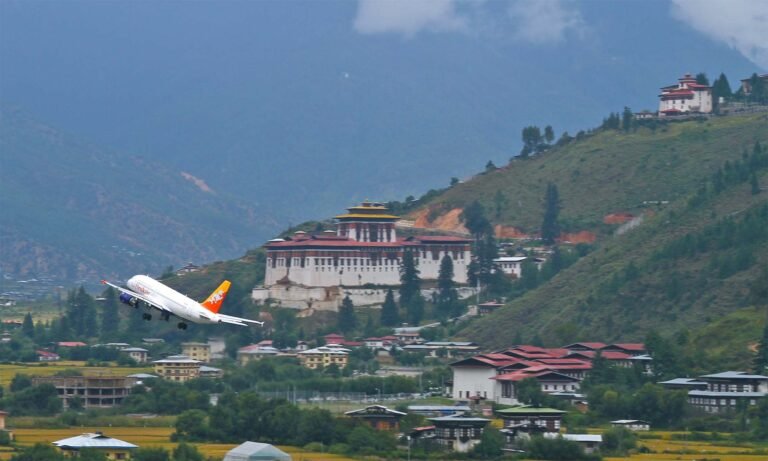
Arrive at Paro International Airport, enjoying majestic mountain views on the approach if the weather is clear, as the aircraft descends between forested ridges to the valley floor. Your guide meets you at the terminal, and after settling into your hotel you begin exploring the Paro Valley at an easy pace, which helps your body start adjusting to the altitude.
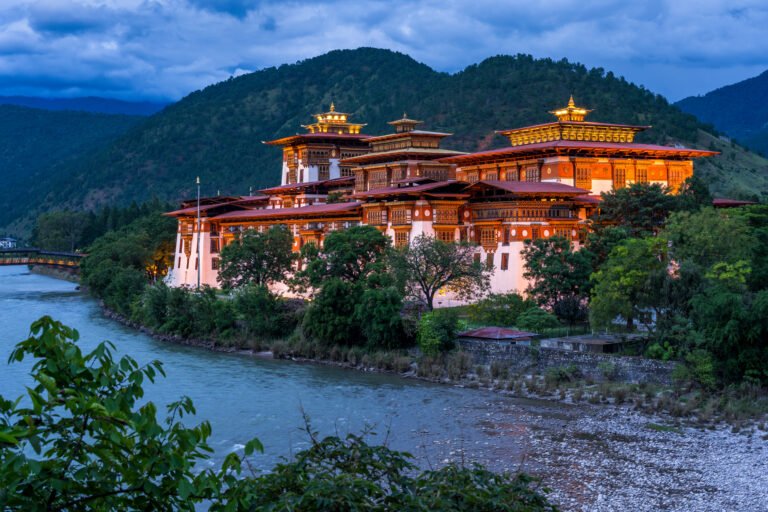
Visit Kyichu Lhakhang, one of Bhutan’s oldest temples, traditionally dated to the 7th century, where residents circle the temple and turn its prayer wheels. Then visit Rinpung Dzong, the 17th-century fortress above the Paro Chhu, crossing the covered wooden bridge to its courtyards and temples. In the evening, stroll through Paro town and meet your guide for a trek orientation, covering the route, the support crew, daily routines on the trail and the kit you will need.
Day02
OvernightThimphu
Paro to Thimphu: the modern capital
Drive to Thimphu, Bhutan’s dynamic capital, about an hour and a half from Paro. On the way, stop at Tamchog Lhakhang, the Iron Bridge Temple, a private temple associated with the 15th-century saint Thangtong Gyalpo, reached by crossing the Paro Chhu on a traditional iron chain bridge strung with prayer flags.
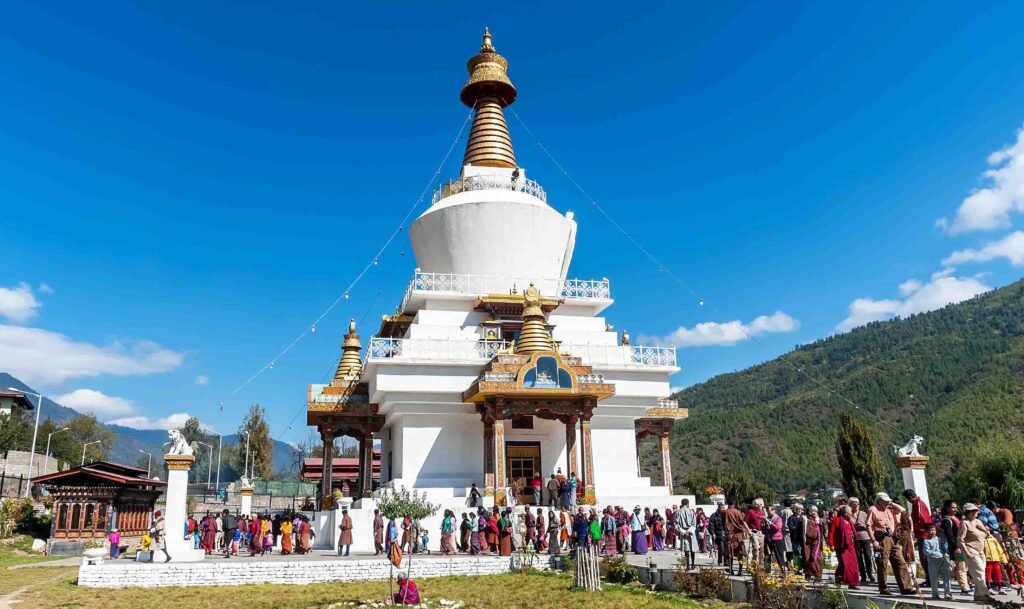
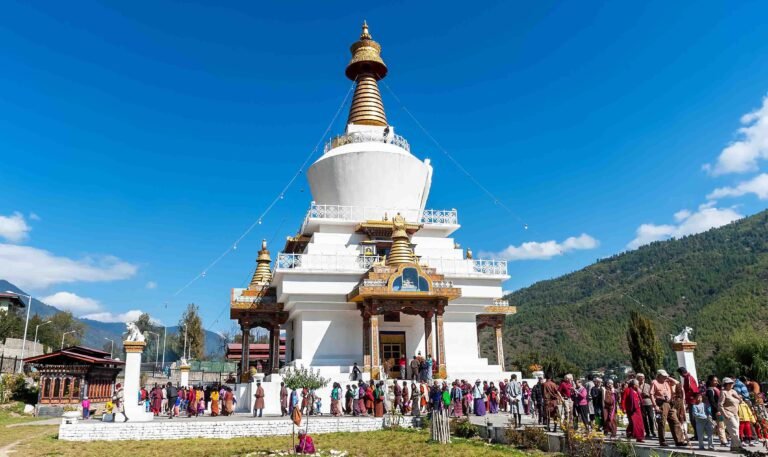
In Thimphu, visit the Buddha Dordenma, the giant gilded statue on the hill of Kuensel Phodrang, with sweeping views over the valley, and the National Memorial Chorten, where residents walk and pray throughout the day. Later, explore Thimphu’s craft markets, where you can browse textiles, masks and other handicrafts and pick up any last items for the trek. Spending time at Thimphu’s altitude of around 2,320 metres is useful acclimatisation before you head into the mountains.
Day03
OvernightThimphu
Day trip to Punakha
Cross Dochula Pass, at 3,100 metres, for sweeping Himalayan views on clear days, and explore the 108 Druk Wangyal chortens that crown the pass. Then descend through forest into the warm Punakha Valley, almost 2,000 metres lower, a good acclimatisation day that takes you high before sleeping lower again in Thimphu.
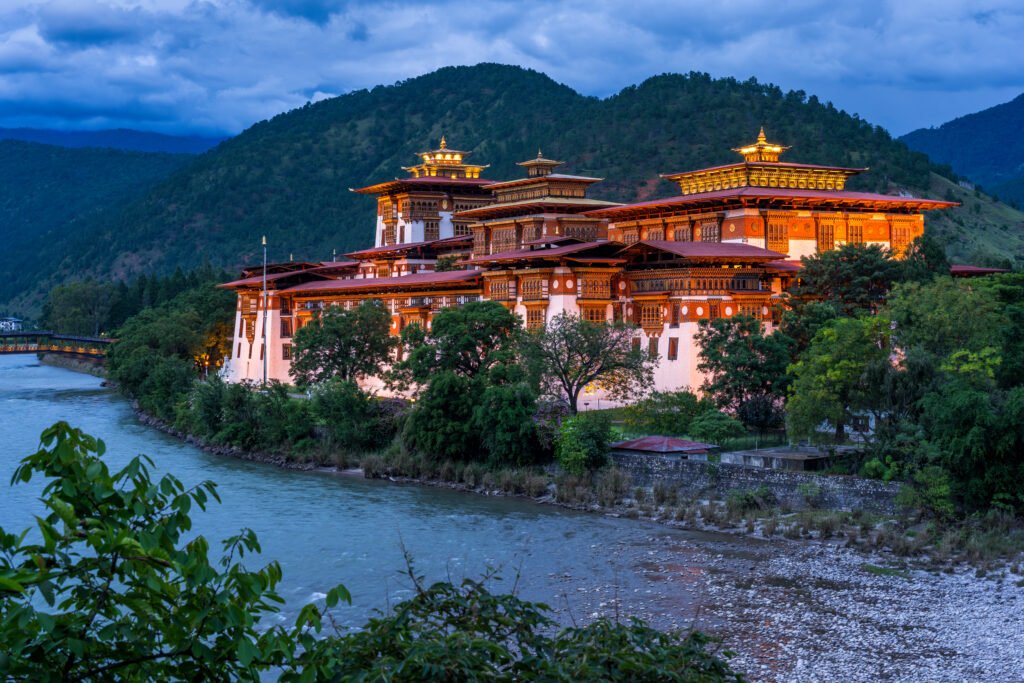
Visit Punakha Dzong, built in 1637 at the confluence of the Pho Chhu and Mo Chhu, the capital of Bhutan until the 1950s and widely considered the most beautiful dzong in the country. Walk through the rice fields to Chimi Lhakhang, the Fertility Temple dedicated to Drukpa Kunley, the Divine Madman. Return to Thimphu in the evening to finalise your trek preparations, packing the bag that the pack animals will carry and the daypack you will carry yourself.
Day04
OvernightCamp at Soi Thangthanka
Trek begins: Shana to Soi Thangthanka
Drive from Thimphu back through the Paro Valley and past the ruins of Drukgyel Dzong to Shana, the starting point of the trek, where the crew and pack animals are waiting. The trail follows the Paro Chhu upstream, climbing gradually through pine, oak and spruce forest, with occasional yak herders’ camps and small clearings along the river.
This is a long first day, crossing the river several times on wooden bridges as the valley narrows and the forest becomes denser. Walk steadily and drink plenty of water. The camp at Soi Thangthanka is set in a meadow surrounded by forest, and on clear evenings the snow peak of Jomolhari can be glimpsed at the head of the valley, a first sight of the mountain that gives the trek its name. Dinner is served in the dining tent.
Distance about 22 km. Walking time 7 to 8 hours. Altitude about 3,750 m.
Day05
OvernightCamp at Jangothang
Soi Thangthanka to Jangothang
A gradual climb leads up the valley, leaving the forest behind as the landscape opens into high pastures. You pass yak herders’ settlements and stone houses, and may see herds of yaks grazing on the slopes. The trail follows the river past an army post and small villages towards the head of the valley.
The camp at Jangothang, often called Jomolhari base camp, lies in a wide meadow beside the ruins of a small dzong, set directly beneath the north faces of Jomolhari, at 7,326 metres, and its neighbour Jichu Drake. The sight of these peaks glowing in the evening light is one of the great views of the Himalaya. At this altitude, take it slowly, keep warm and drink plenty of fluids, and tell your guide how you are feeling.
Distance about 19 km. Walking time 5 to 6 hours. Altitude about 4,080 m.
Day06
OvernightCamp at Jangothang
Acclimatisation and exploration day at Jangothang
A day at Jangothang allows your body to adjust to the altitude before crossing the high passes ahead. You can rest at camp, or take a short hike, climbing a little higher during the day and returning to sleep at the same altitude, which is the best way to acclimatise.
Popular options include walking towards the foot of the Jomolhari glacier for closer views of the mountain, or climbing to Tshophu, a pair of high lakes above the camp where blue sheep are sometimes seen on the surrounding slopes. You may also meet nomadic herders, whose families spend the summer months in these high pastures with their yaks. The alpine scenery is stunning, and the day offers plenty of opportunities for photography. Rest well in the afternoon in preparation for tomorrow’s crossing.
Day07
OvernightCamp at Lingshi
Jangothang to Lingshi over Nyile La
Today you cross Nyile La, at around 4,700 metres, the first high pass of the trek. The climb is steady and demanding, but the reward is a panoramic view of distant Himalayan peaks, including Jomolhari, Jichu Drake and Tserim Kang, from the prayer-flag-hung pass.
From the pass the trail descends into the remote Lingshi Valley, a wide basin surrounded by mountains. Lingshi Dzong, also known as Yugyal Dzong, stands on a hilltop overlooking the valley; built in the 17th century, it once guarded the trade route to Tibet. The village of Lingshi lies on the slopes nearby, and the camp is set in the valley with views of the dzong. After a long day at altitude, rest and warm food in camp are very welcome.
Distance about 18 km. Walking time 6 to 7 hours. Altitude about 4,010 m.
Day08
OvernightCamp at Shodu
Lingshi to Shodu over Yele La
Today is the longest and highest day of the trek. The trail climbs steadily out of the Lingshi basin to Yele La, at around 4,940 metres, the trek’s highest pass, where on clear days spectacular views of Bhutan’s snow-clad mountains stretch across the horizon, including Jomolhari, Tserim Kang and other peaks of the northern range.
From the pass the route descends steeply into the upper valley of the Thimphu Chhu and follows the river valley down to the camp at Shodu, set in a meadow among rocky cliffs and forest. It is a long day, so set off early, walk at a steady pace and keep warm at the pass, where the weather can change quickly. A hearty dinner and an early night are the best preparation for the descent towards Thimphu over the coming days.
Distance about 22 km. Walking time 8 to 9 hours. Altitude about 4,080 m.
Day09
OvernightCamp at Barshong
Shodu to Barshong
Follow the Thimphu Chhu downstream as the valley gradually narrows and the forest returns. The trail passes through rhododendron forest and alongside scenic waterfalls that tumble from the cliffs above, and the descent makes this an easier day after the high passes.
Along the way, the route passes meditation caves in the cliffs, places associated with the region’s spiritual traditions. Near the camp, the ruins of Barshong Dzong stand on a small hill, a reminder of the old routes that crossed these mountains. The camp is set in a clearing near the ruins. With the thicker air of lower altitude, many trekkers find they sleep better tonight, and the sounds of the river and the forest make for a peaceful evening.
Distance about 16 km. Walking time 5 to 6 hours. Altitude about 3,700 m.
Day10
OvernightCamp at Dolam Kencho
Barshong to Dolam Kencho
Hike through pristine forests of rhododendron, birch and conifer as the trail descends further along the valley. The path climbs over small ridges and drops through side valleys, and the forest is rich in birdlife, so keep an eye out for pheasants and other species along the way.
You may pass yak herders’ camps and grazing areas used in the warmer months, and the views open occasionally over the forested hills towards the Thimphu valley. The campsite at Dolam Kencho is peaceful, set in a meadow surrounded by forest, and it is the final night of the trek. It is a good evening to thank the crew and pack animal handlers, who have supported you through the high country, and to celebrate the end of the trek around the camp.
Distance about 15 km. Walking time 5 to 6 hours. Altitude about 3,600 m.
Day11
OvernightThimphu
Dolam Kencho to Thimphu: end of trek
A short final walk descends through forest to Dodina, at the head of the Thimphu valley, where the road ends and your driver awaits. The trail drops steadily, crossing streams and passing through dense forest before reaching the road near the Wang Chhu.
From Dodina, transfer to Thimphu, a short drive down the valley past Cheri and Tango monasteries on the hillsides, for a well-earned rest and a warm shower at your hotel. The afternoon is free to relax, sort out your gear or explore the city, perhaps returning to the craft markets or visiting a sight you missed at the start of the journey. A comfortable bed after a week of camping is a satisfying end to one of the classic treks of the Himalaya.
Distance about 8 km. Walking time about 3 hours.
Day12
OvernightParo
Thimphu to Paro and hike to Tiger's Nest
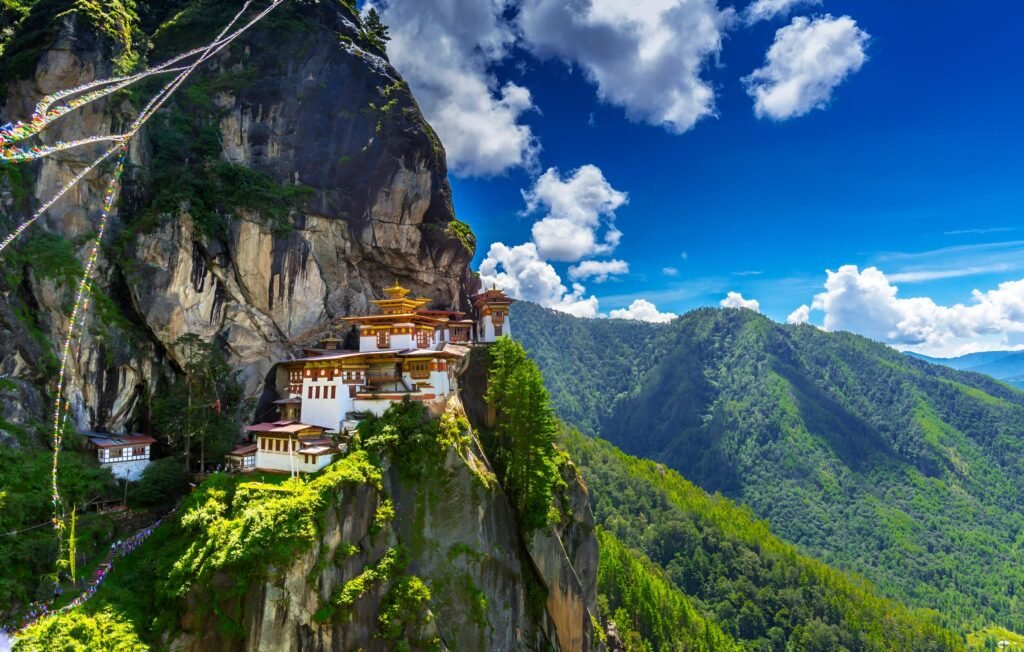
Return to Paro along the river valley and hike to the legendary Tiger’s Nest Monastery, Taktsang, a true spiritual highlight of any journey to Bhutan. The monastery clings to a granite cliff about 900 metres above the Paro Valley, built around the cave where Guru Rinpoche is said to have meditated after arriving on the back of a flying tigress in the 8th century.
After your trek, the climb through blue pine forest hung with prayer flags will feel comfortable, and there is a café and viewpoint about halfway. Inside, the small temples are lit by butter lamps and hold statues of Guru Rinpoche and other deities, and your guide explains their stories. In the evening, enjoy a traditional hot stone bath, with river stones heated in a fire, to relax after your trek.
Day13
Depart from Paro
Enjoy your final breakfast in Bhutan before transferring to Paro International Airport for your onward flight. If time allows, stop at a viewpoint above the valley for a last look at Rinpung Dzong and the forested ridges around Paro.
As your flight climbs out of the narrow valley, look out for the high peaks on clear days, perhaps even Jomolhari, the mountain you camped beneath at Jangothang. It is a fitting farewell after a journey that has taken you from the temples of Paro and Thimphu to the high passes, herders’ pastures and remote dzongs of the northern mountains. At the airport, your guide bids you a heartfelt “Tashi Delek”, a Bhutanese blessing wishing you good fortune and happiness on the road ahead.
Good to know
- Private journeyPlanned around your dates, pace and interests
- GuideA licensed Bhutanese guide accompanies you throughout, as Bhutan requires
- ArrivalParo International Airport
- PriceDepends on dates, hotel category and group size; our prices include the government’s Sustainable Development Fee
Treks reach high altitude. Good fitness and comprehensive travel insurance, including evacuation cover, are strongly recommended.
Places on this route
Explore more: Himalayan treks in Bhutan · best time to visit · visa and SDF
You may also like
Druk Path Trek and Cultural Immersion
9 days. The Druk Path from Thimphu to Paro past high lakes.
Laya-Lingshi Trek
19 days. A high trek through Lingshi to Laya and Gasa.
Snowman Trek
Bhutan's most demanding trek. Itinerary on request.
Tell us how you would like to travel
Share your dates, interests and preferred pace. We reply personally with ideas for your route and a clear quote.
Prefer to chat? WhatsApp +975 77888822