
Places to visit in Punakha
The former capital, where Punakha Dzong stands at the meeting of two rivers.
13 places in this guide
About Punakha
Punakha lies lower and warmer than Thimphu, in a valley of rice terraces where the Pho Chhu and Mo Chhu rivers meet. It was Bhutan’s capital until the 1950s, and its dzong is widely considered the most beautiful in the country.
Days here mix temples with gentle walks through farmland, and it is a natural stop between Thimphu and central Bhutan.
- RegionWestern Bhutan
- Known forPunakha Dzong, Chimi Lhakhang, rice terraces
- Combine withThimphu, Wangdue Phodrang, Gasa
Dzongs, temples and villages
Punakha Dzong (Palace of Great Happiness)
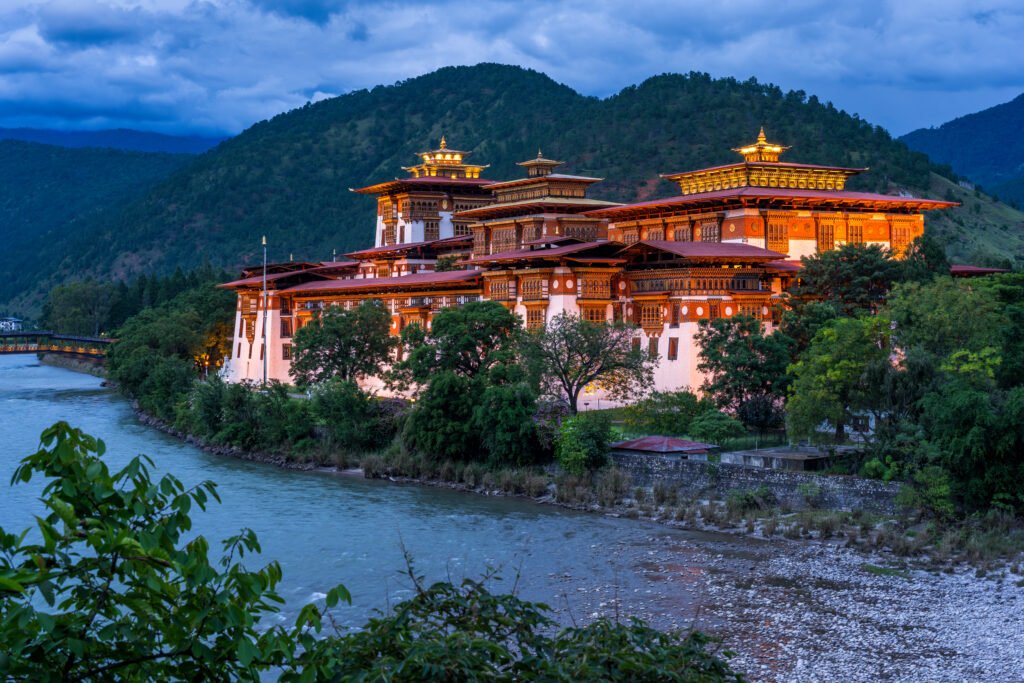
Punakha Dzong stands at the confluence of the Pho Chhu (father river) and Mo Chhu (mother river), and is widely considered the most beautiful dzong in Bhutan. It was built in 1637 by Zhabdrung Ngawang Namgyal and is the second-oldest and second-largest dzong in the country. Punakha was the capital of Bhutan until the 1950s, and in 1907 the dzong witnessed the coronation of Ugyen Wangchuck, the first king.
Today it is the winter residence of the Je Khenpo and the central monastic body, and it houses the sacred Rangjung Kharsapani, a self-created image of Avalokiteshvara. Visitors cross a covered wooden cantilever bridge to reach the courtyards, where carved woodwork, jacaranda trees in spring and the great assembly hall with its murals of the life of the Buddha make it a highlight of any journey.
Chimi Lhakhang (Temple of Fertility)
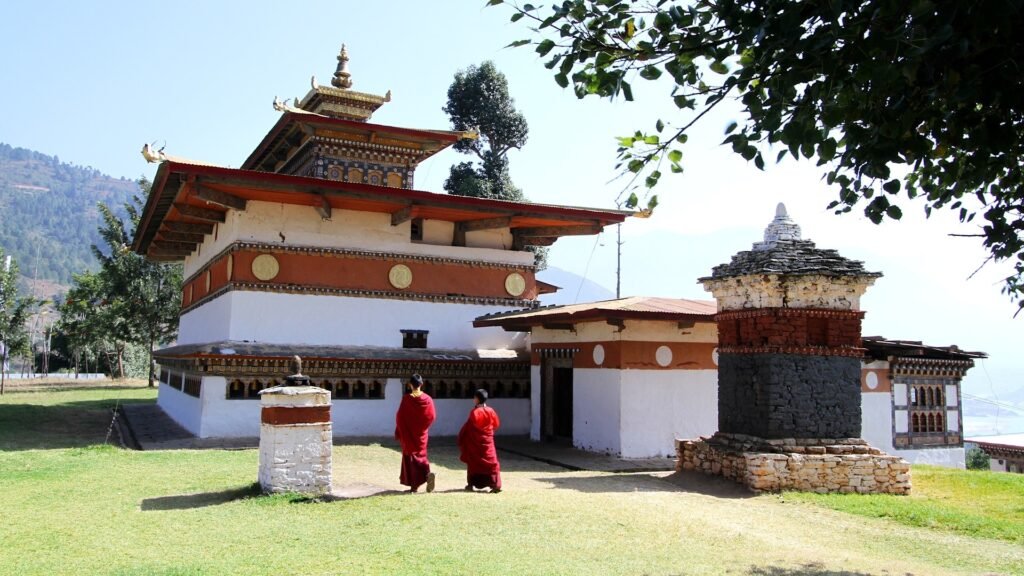
Chimi Lhakhang stands on a small rounded hill above the rice fields of the Lobesa area, between Punakha and Wangdue. It was built in the late 15th century and is dedicated to Drukpa Kunley, the Divine Madman, a much-loved Tibetan teacher remembered for his unconventional methods and bawdy humour, who is said to have subdued a demoness on this spot.
The temple is famous as a place where couples come to pray for children, and pilgrims are blessed with a wooden phallus and with the lama’s bow and arrows. Houses in the nearby village of Sopsokha are painted with large protective phallus symbols, a tradition linked to Drukpa Kunley. The walk from the road through the rice paddies takes about 20 to 30 minutes and is one of the most pleasant short walks in the valley.
Khamsum Yulley Namgyal Chorten
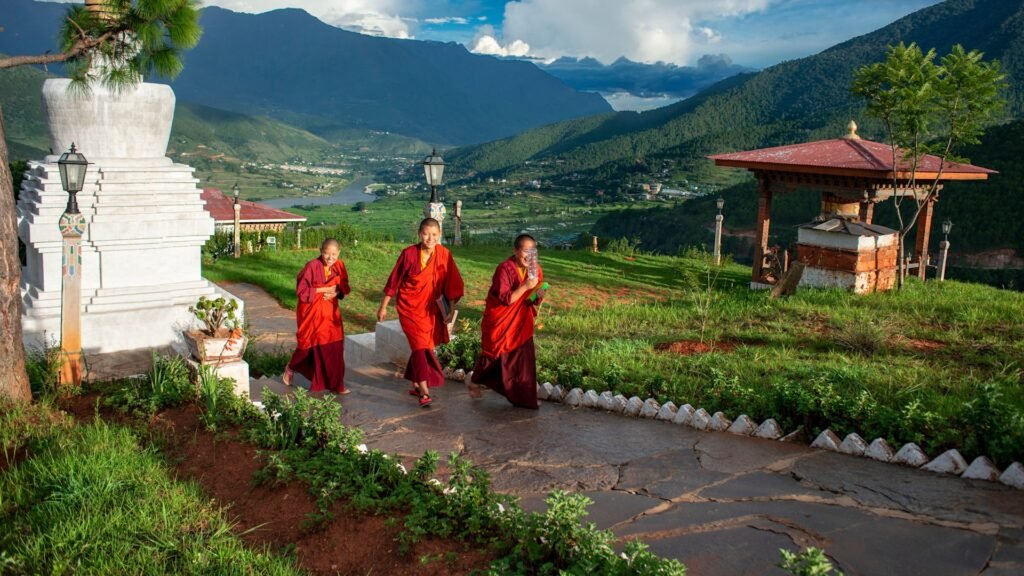
Khamsum Yulley Namgyal Chorten stands on a ridge above the Mo Chhu in the upper Punakha Valley. It is a four-storey temple built in the form of a chorten under the patronage of the Queen Mother and consecrated in 1999, dedicated to peace, the well-being of the country and the removal of negative forces.
Inside, each floor is richly decorated with paintings and statues of protective deities in the Nyingma tradition, and the craftsmanship is a fine example of contemporary Bhutanese religious art following traditional rules. From the roof terrace there are sweeping views up and down the valley, over terraced rice fields, farmhouses and the river. The temple is reached by a walk of around 45 minutes up through the fields from a suspension bridge across the Mo Chhu, described separately below.
Sangchhen Dorji Lhuendrup Nunnery
Sangchhen Dorji Lhuendrup Lhakhang is a nunnery and Buddhist college for women on a ridge across the river from Punakha town, overlooking the Punakha and Wangdue valleys. It was founded under the patronage of the Queen Mother and offers nuns training in Buddhist philosophy and practice, as well as in traditional crafts such as thangka painting, tailoring and embroidery.
The main temple houses a large bronze statue of Avalokiteshvara, the bodhisattva of compassion, together with images of Guru Rinpoche and the Buddha. The setting among pine trees is peaceful, and the views over the rice terraces and the confluence below are among the best in the area. Visitors are welcome with their guide, and the visit gives an insight into the growing role of women’s monastic education in Bhutan.
Punakha Suspension Bridge
The Punakha suspension bridge spans the Pho Chhu just upstream of Punakha Dzong and is one of the longest suspension bridges in Bhutan, at around 160 to 180 metres. Strung with prayer flags, it links the dzong side of the river with villages on the far bank and is still used daily by local people walking to and from town.
Crossing it is a small adventure in itself: the bridge sways gently as you walk, with the turquoise river below and views back towards the dzong and up the valley. It makes a good short walk before or after visiting Punakha Dzong, and photographers will find fine angles of the river and the surrounding hills. Children and nervous walkers usually manage it easily with a steady pace, and your guide can suggest the best viewpoints along the riverbank.
Punakha village exploration
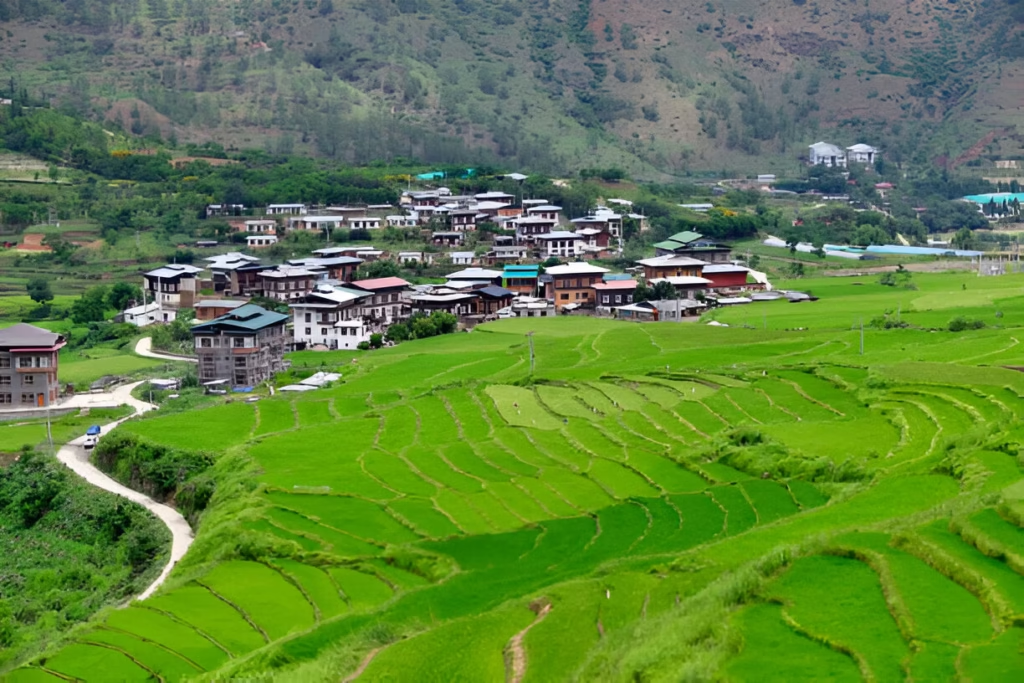
Beyond the dzong and temples, the Punakha Valley is a landscape of rice terraces, orange orchards and traditional farmhouses. At about 1,200 metres it is lower and warmer than Thimphu, which allows two rice harvests in some areas and a long growing season, and village life follows the rhythm of planting and harvest.
With your guide you can walk along the paths between fields, see how traditional houses are built and decorated, and, where families are willing, visit a farmhouse for butter tea or a simple meal. In spring the fields are flooded and planted, and in autumn the terraces turn gold before harvest. These walks are relaxed and informal, and they offer a view of everyday Bhutanese rural life that complements the great religious sites of the valley.
Walks and hikes
Khamsum Yulley Namgyal Chorten hike
The hike to Khamsum Yulley Namgyal Chorten is one of the most rewarding short walks in Punakha. It begins at a suspension bridge across the Mo Chhu, a short drive up the valley from the dzong, and climbs gently through terraced rice fields and then more steeply through pine forest to the ridge-top temple.
Most walkers take about 45 minutes to an hour to reach the top, pausing to look back over the river and the patchwork of fields. The path passes small streams and farmland where you may meet villagers at work. At the top, the temple’s roof terrace gives a panoramic view of the upper valley. The walk is suitable for most reasonably fit visitors, and morning or late afternoon light is best for both the climb and the views.
Chimi Lhakhang walk
The walk to Chimi Lhakhang is an easy and popular stroll of 20 to 30 minutes each way. It starts from the road near Sopsokha village and crosses flat rice paddies before a short climb to the small hill where the temple stands, making it suitable for all fitness levels.
Along the way you pass farmhouses painted with protective symbols, small shops selling handicrafts, and fields where, depending on the season, farmers may be planting or harvesting rice. The views over the Lobesa valley are open and pleasant, with the temple’s prayer flags visible ahead. Many travellers combine the walk with a visit to the temple and a meal at a local farmhouse restaurant in the village. It is one of the best ways to experience rural Punakha without a long hike.
Samdingkha to Limbukha village trek
This day hike connects the village of Samdingkha, in the Punakha Valley, with the hillside village of Limbukha. The original website describes it as a moderate walk of around three hours through forest and farmland, passing communities that see few visitors.
Limbukha is known for its traditional farmhouses and, according to local custom, for its role in the Punakha Drubchen festival, when villagers are said to have helped defend the dzong. The trail offers views back over the valley and the river, and walkers may meet farmers tending fields of rice and vegetables. Your guide can arrange to share a meal with a family in Limbukha where possible. Paths can be steep and slippery after rain, so good walking shoes are recommended, and routes are best confirmed with your guide.
Talo to Nobgang hike
Talo is a hillside village above the Punakha Valley, known for its well-kept traditional houses, its temple and its festival. The original website describes a hike of around four hours connecting Talo with the village of Nobgang through pine forest and farmland, with views over the valley.
Talo Goemba, the village temple, is associated with the Zhabdrung, and the Talo Tshechu is held there in spring. Nobgang is the home village of the four Queens of the fourth king, which gives the area a special place in Bhutanese history. The walk passes through agricultural land where farmers grow rice, wheat and mustard, and the forest sections are good for birds. As with all longer walks in the valley, confirm the route and its current condition with your guide before setting out.
Rafting and fishing
Mo Chhu family rafting
The Mo Chhu, the “mother river”, flows past Punakha Dzong and is one of the most popular stretches for gentle rafting in Bhutan. The original website describes a trip of around 90 minutes on easy class I to II water, suitable for beginners and families.
Floating down the river gives a completely different view of the valley: rice terraces, villages and finally the great white walls of Punakha Dzong rising above the water at the confluence. Trips are run by specialist operators with experienced guides, safety briefings and equipment, and calm sections allow time to relax and take photographs. Water levels vary with the season and are usually most suitable in spring and autumn. If you would like to include rafting, tell us in advance so we can arrange it with a licensed operator.
Pho Chhu adventure rafting
The Pho Chhu, the “father river”, is the faster and more challenging of Punakha’s two rivers. The original website describes a trip of around two hours on class II to III rapids through gorges and forested sections upstream of the dzong, for travellers looking for more excitement.
The route passes cliffs, forest and rural settlements, and finishes in the open valley near the confluence with the Mo Chhu. Trips are led by professional river guides with safety kayakers and proper equipment, and a reasonable level of fitness and confidence in water is recommended. Rafting conditions depend on the season and water levels, so the exact section and difficulty are confirmed on the day by the operator. Let us know in advance if you would like to include it in your journey.
Fishing on the Mo Chhu and Pho Chhu
Punakha’s rivers are home to fish such as snow trout and, at lower levels, mahseer, and angling is possible with a fishing permit. In Bhutan fishing is regulated, and permits must be obtained in advance; your tour operator can arrange the permit and an experienced local fishing guide.
The original website notes that the Mo Chhu offers gentler fishing suited to beginners, while the Pho Chhu provides more challenging water, and suggests October to November and March to April as the best seasons. Catch-and-release is encouraged, reflecting Buddhist respect for life, and fishing is not permitted on certain religious days and in some protected stretches. A quiet morning on the riverbank, with the dzong in view, is a peaceful way to spend part of a day in Punakha.
Tours that visit Punakha
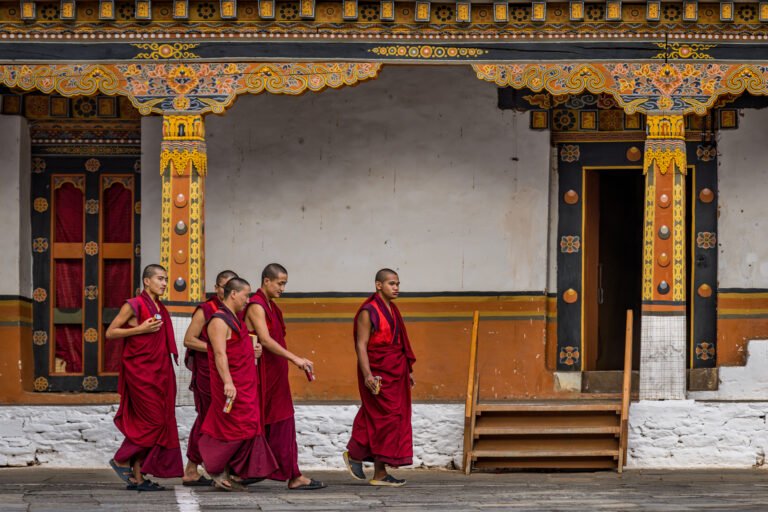
Bhutan Himalayan Odyssey
6 days. Paro, Thimphu and Punakha, with the hike to Tiger's Nest.
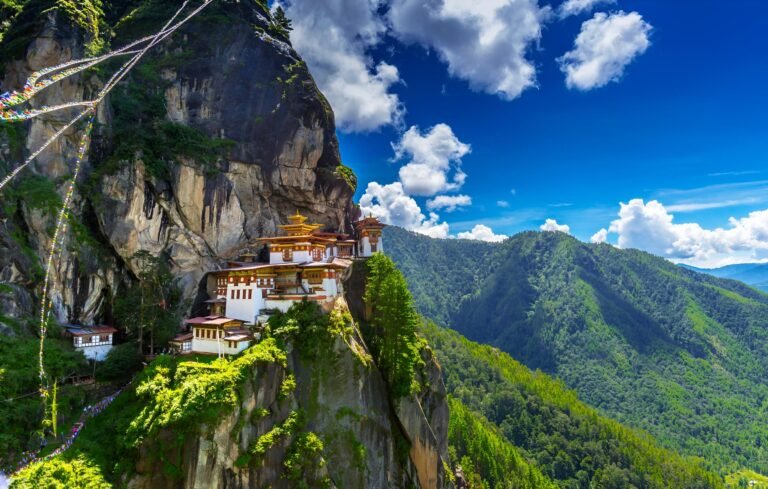
Bhutan Himalayan Journey
7 days. The western valleys, Phobjikha and Tiger's Nest.
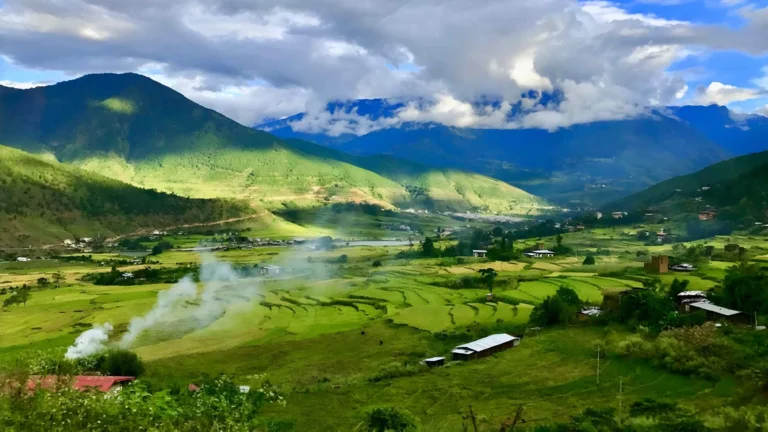
Bhutan Heartland Journey
10 days. West to Bumthang, returning by domestic flight.
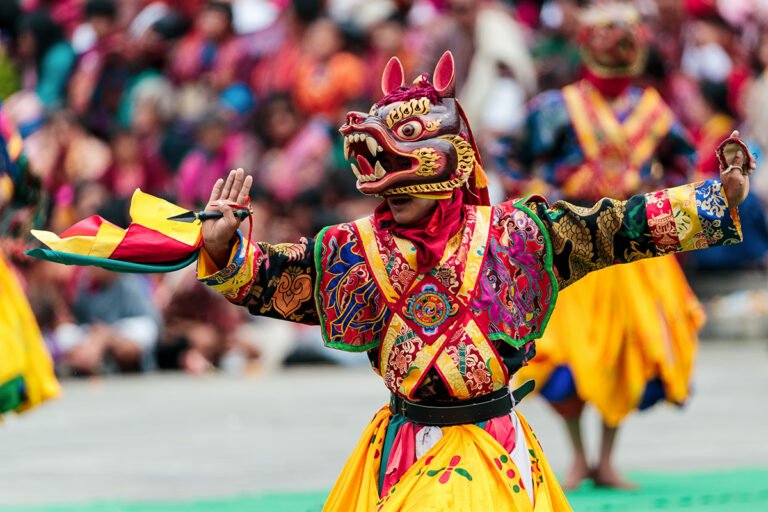
Thimphu Tshechu Festival Tour 2027
8 days. Timed to the Thimphu Tshechu.
Festivals in Punakha
The Punakha Drubchen and Tshechu take place at Punakha Dzong in late winter or early spring, and include a re-enactment of a 17th-century battle against Tibetan forces.
More in Western Bhutan
Tell us how you would like to travel
Share your dates, interests and preferred pace. We reply personally with ideas for your route and a clear quote.
Prefer to chat? WhatsApp +975 77888822