
Nature and wildlife in Bhutan
Cranes, hornbills and old-growth forest in one of the world’s greenest countries.
What to expect
Around seventy percent of Bhutan is forested, and its constitution requires that at least sixty percent always remains so. Protected areas cover a large share of the country, from subtropical jungle in the south to alpine pasture in the north.
Nature journeys follow the seasons: black-necked cranes in Phobjikha from late October to February, rhododendrons in spring, and year-round birdwatching in the forests of central and eastern Bhutan and Royal Manas National Park.
Good to know
- HighlightsCranes, birds, Royal Manas
- Best seasonsSpring; late autumn for cranes
- FitnessEasy
Journeys in this style
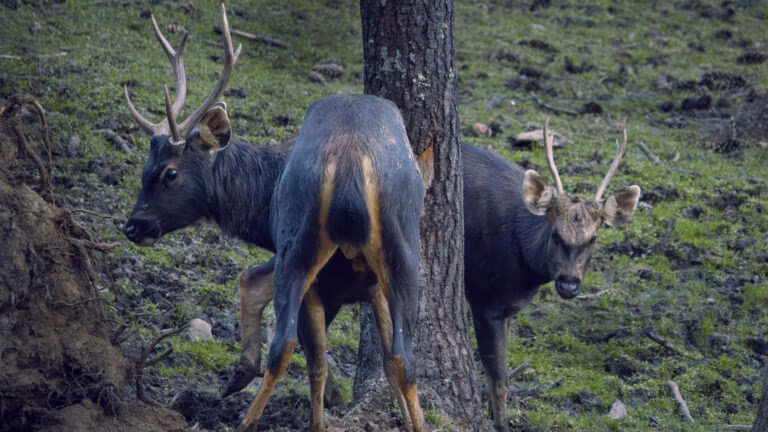
Bhutan Nature and Wildlife Tour
Phobjikha, Bumthang and Royal Manas National Park.
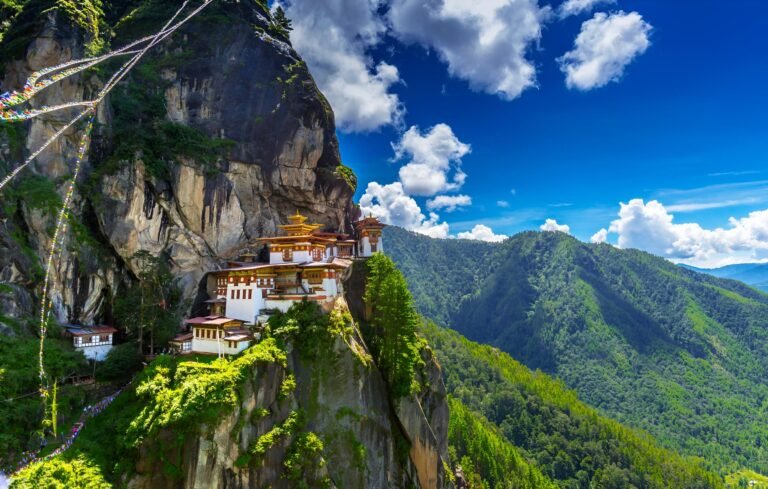
Bhutan Himalayan Journey
7 days. The western valleys, Phobjikha and Tiger's Nest.
Questions travellers ask
When can I see black-necked cranes?
The cranes winter in the Phobjikha Valley and in Bumdeling in the east, usually from late October to February. The Black-necked Crane Festival at Gangtey Monastery is held on 11 November.
Is Bhutan good for birdwatching?
Yes. Bhutan has a remarkable range of habitats in a small area, and the forests between Bumthang and Mongar and around Zhemgang are especially rewarding with an experienced guide.
Will I see tigers or snow leopards?
Both live in Bhutan, but sightings are very rare. Golden langurs, deer and many birds are much more likely.
Tell us how you would like to travel
Share your dates, interests and preferred pace. We reply personally with ideas for your route and a clear quote.
Prefer to chat? WhatsApp +975 77888822